
Balos Beach (Ormos Koumeikon) – Koumeika, Samos
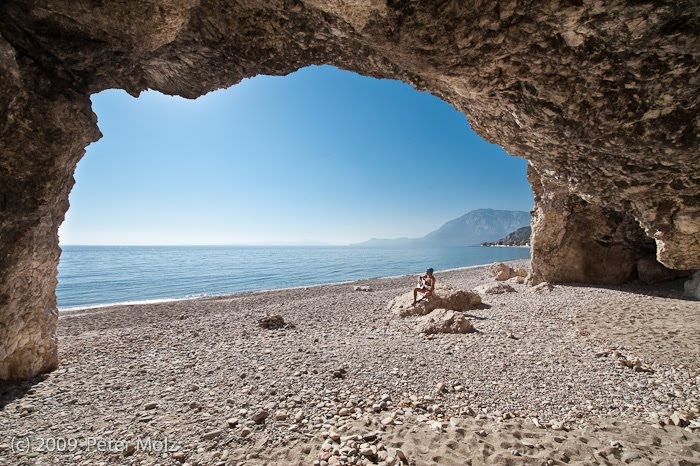
Balos Beach, also known as Ormos Koumeikon, is the harbour bay of the village of Koumeika and one of the largest and most easily accessible beaches in western Samos. With a length of about 870 metres and an average width of 15 metres, it offers plenty of space even during the high season.
At one end of the bay there is a very small pier, reflecting the traditional role of the area as a natural anchorage.
🪨 Pebbles, clear water and small sandy sections
The shoreline is mainly covered with medium and large pebbles, with small sandy sections mainly on the southeastern side of the beach. There is limited natural shade from trees, and on some days the bay can be affected by winds, creating small waves.
The sea has a steep seabed, clear waters and rich marine life, making it suitable for snorkelling. Water shoes are recommended due to the pebbly shore.
🧒 Family-friendly and ideal for daily swims
Despite its pebbly character, the beach is considered family-friendly, especially in areas where the entrance to the water is gentler. During the high tourist season it attracts many visitors, mainly families and guests staying in the surrounding area.
🍽️ Facilities and accommodation near the beach
Around the bay there are restaurants and accommodation, mainly rental rooms and apartments, making Balos an excellent choice for those who want to stay very close to the sea.
Available in the area:
Showers
Changing cabins
Sunbeds and umbrellas
Toilets (in restaurants)
Restaurants
🎣 Activities
The beach is suitable for:
Relaxing
Fishing
Snorkelling
🚗 How to get to Balos Beach
Access is easiest by car, with free parking near the beach.
Directions: From the village of Koumeika, follow the asphalt road towards Ormos Marathokampou. After about 520 metres, turn south (there is a sign to “Balos”) and continue for about 1.7 km until the end of the road.
💃 Origin of the name
The name “Balos” comes from the traditional island dance danced by couples. The word is linked to the Latin “ballo” (to dance), which in turn is connected to the ancient Greek verb “vallizo”, meaning to move or dance.


Add new comment