
Paleokastro of Samos
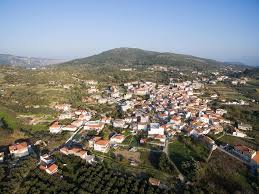
🏞️ Paleokastro of Samos
Paleokastro is a small, historic settlement in eastern Samos, located a few kilometers southwest of the island’s capital, Vathy. Administratively, it belongs to the Municipality of Eastern Samos and is considered one of the oldest villages on the island — its very name ("Old Castle") bearing witness to the existence of a fortress in earlier times.
📍 Location & Geomorphology
Built on a gentle hill with direct views toward the bay of Vathy, Paleokastro lies about 5 kilometers from the port and is accessible by road within minutes. Its position is strategic, offering panoramic views and natural protection — likely one of the reasons it was chosen as the site for a fortified settlement during the Byzantine period.
The village is typical of the Samos countryside, with low houses, narrow alleyways, well-kept courtyards, and a peaceful pace of life. It is surrounded by olive groves, vineyards, and sparse Mediterranean vegetation.
📜 Historical Background
The name “Paleokastro” ("Old Castle") is telling — it comes from a castle that once stood in the area, most likely from the Byzantine or early post-Byzantine period. The ruins have not been fully identified, but local oral tradition and the village’s name clearly point to the existence of fortifications.
During the Ottoman era, Paleokastro, like other inland villages of Samos, served as a refuge for coastal residents who moved inland to escape pirate raids. The village developed into a rural and viticultural community, with a vibrant local economy and social life.
In the late 19th and early 20th centuries, many inhabitants of Paleokastro emigrated to America, Egypt, and later Athens, sending back remittances and bringing with them neoclassical architectural influences, which are still visible in some of the village’s houses.
⛪ Churches & Religious Life
The main church of the village is Saint Demetrios, built in the early 20th century, showcasing features of traditional Samian ecclesiastical architecture: stone, tile, and a simple elegance. The church celebrates its feast day on October 26th with a liturgy and a traditional festival held in the church courtyard.
There are also small chapels on the outskirts of the village, such as those of Saint John and the Virgin Mary, which are lovingly maintained by the locals and used during religious celebrations.
👣 Today
Paleokastro preserves the character of a quiet, rural village. Many of the residents are elderly, but there are also families who choose to live close to nature — far from the noise of the city, yet just a short drive from Vathy. The village doesn’t experience heavy tourist traffic, but it attracts visitors seeking authentic corners of the island, either for hiking or simply to get “lost” in a landscape untouched by time.
📍 Location & Geomorphology
Paleokastro is located in southeastern Samos, a few kilometers west of Vathy. It is built at a low elevation above a small plain filled with olive trees, vineyards, and fruit orchards, close to the shores of Vathy Bay. The terrain is gently sloping, ideal for agriculture, while the sea is just minutes away by car.
🏰 Historic Name & Roots
The name “Paleokastro” most likely derives from the existence of an old castle or fortified position in the area, which has not survived but lives on in local oral tradition. The village shows signs of habitation as early as the late Byzantine period, while its current form took shape mainly during the re-settlement of Samos in the 16th and 17th centuries.
🏠 Settlement Identity & Architecture
The village retains traditional elements of Samian architecture, with stone-built houses, tiled roofs, and narrow alleys. Although modern construction has appeared in recent years, the old neighborhood — with its well-preserved homes and courtyards filled with jasmine and bougainvillea — continues to convey the feeling of genuine island life.
🛐 Churches and Religious Landmarks
At the heart of the village stands the Church of Saint Nicholas, with its distinct architecture and bell tower dominating the landscape. This long-standing church has undergone several renovations and still serves as a place of worship and celebration, especially during the saint’s feast day. In the surrounding area, small chapels can also be found, primarily used for vows and private prayers.
🌿 Nature and Environment
Paleokastro is surrounded by fertile land, filled with olive groves, cultivated fields, and low vegetation. The natural landscape is peaceful, with birdsong and cicadas providing a soothing soundtrack — especially in the summer. The area is perfect for leisurely walks and short hikes along the rural paths and the foothills of Mount Ampelos, which rises to the northwest.
🎉 Cultural Life & Traditions
Despite its small size, Paleokastro preserves several old traditions, particularly during Easter and local feasts. The festival of Saint Nicholas brings together locals and visitors for liturgy, food, music, and traditional dances. The older generation also keeps alive the custom of hospitality, with courtyards always open to passersby.
🛎️ Practical Information & Access
Paleokastro is located about 5 kilometers from the town of Samos (Vathy) and is accessible by a paved road that winds through pine forests and olive groves. The drive is short but very scenic, offering beautiful views of the island’s northern part. A small parking area is available at the village entrance, and most movement within the village is on foot due to its narrow streets.
🧭 Tips for Your Visit
Visit early in the morning or late in the afternoon to enjoy the sunlight playing on the stone houses and surrounding hills.
Don’t miss the walk to the Church of Saint Nicholas — the view of the valley from there is breathtaking.
If you’re into photography, bring your camera: the details on old houses, the gardens, and the cobblestone alleys make for authentic snapshots.
Ask locals about the paths leading to nearby hills — you may discover small, forgotten trails through nature.
🏡 A Village to Feel
Paleokastro doesn’t dazzle at first glance — and that’s its charm. It’s a village that asks for your time. To sit, to observe, to listen. To watch life flow the old-fashioned way: slowly, steadily, humanely. It’s a place in no rush to reveal its character, but once it does, it stays with you forever.


Add new comment