
Neochori Village – Samos
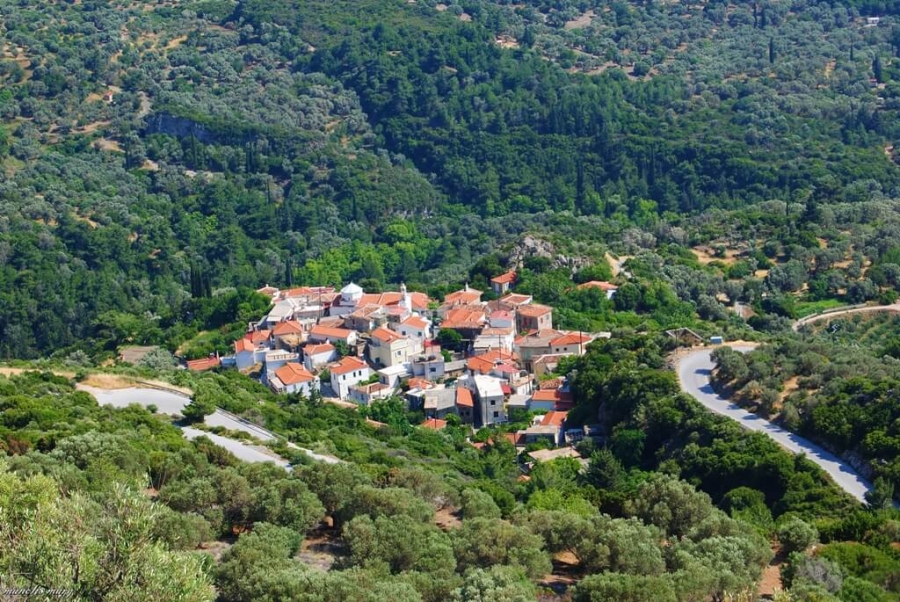
🏡 Neochori (Nichori, Nichoraki) – A quiet corner of Samos with ancient roots and a heavy past
📍 Location & Terrain
Neochori — or as locals call it, Nichori or affectionately Nichoraki — is a semi-mountainous settlement in the southwestern mainland of Samos, located in a steep and remote area, north of Skoureika and east of Koumeika. Built at an elevation of 277 meters, it feels like a place preserved in time, where nature sets the pace and silence speaks louder than words.
🏛️ History & Place Names
In earlier times, the village was known as Zouraika, named after the family name Zouras, before it was officially renamed to Neochori — meaning “new village.” However, there’s nothing new about this place; it’s a deeply historical corner of the island, untouched by modern transformations.
Near the village, in the area known as “Gouva,” there are remnants of an ancient settlement. A local farmer once unearthed numerous roof tiles while plowing, including a ceramic ploughshare bearing a circular seal with the inscription “Of the Charioteer,” hinting at the area's agricultural activity in antiquity.
🧭 Administrative Info
Until 2010, part of the Municipality of Marathokampos (under the Kapodistrias plan)
Today, under the Municipality of West Samos
Belongs to the Regional Unit of Samos, North Aegean Region
2011 Census: only 63 residents, and even fewer during winter months
🌿 Life in the village
Neochori consists of around 137 houses, though many are abandoned or seasonally inhabited. The only remaining local product is olive oil, cultivated on rocky, unfertile land.
Once a place of hard work and modest prosperity, Neochori’s decline was hastened by poverty and usury, which drained the vitality of its people. Despite their resilience and strong work ethic, the villagers were overwhelmed by financial exploitation, and many left the area in search of better futures.
⛪ A village without attractions – but full of truth
Neochori has no grand monuments, no tourist infrastructure — but it offers honest silence, rural soul, and a sense of dignity. The dry-stone terraces, olive groves, and simple homes whisper stories of hardship, endurance, and forgotten strength. This is not a postcard village, it is a real one.
📆 When to visit
Spring: Wildflowers bloom and the landscape comes alive
Summer: Quiet afternoons with light breeze and full sun
Autumn: Perhaps the most poetic time to visit
Ideal for visitors seeking authenticity without expectations
🧭 Access
No public transport to the village
Accessible only by private vehicle
Narrow roads with some rough sections — drive with caution
Approach via Skoureika or Koumeika
📸 Suggested Photos
📷 Wide-angle view of the village with stone houses and olive trees
🪨 Old barn or ruin near the area of “Gouva”
🏺 Detail of ceramic findings or signage (if available)
🛤️ Dirt road framed by dry-stone walls and wild herbs


Add new comment